Is Morocco Safe for Tourists in 2026? The Complete Travel Safety Guide
Morocco Safety Overview in 2026
Overview
Morocco continues to be one of the most visited countries in Africa, attracting millions of travelers every year. With its vibrant cities, ancient medinas, Sahara Desert tours, Atlantic beaches, and warm hospitality, many travelers ask the same important question before booking:
Is Morocco safe for tourists in 2026?
The short answer is yes, Morocco is generally safe for tourists, especially those who plan well and follow basic travel precautions. This guide provides a realistic, up-to-date, and detailed look at safety in Morocco in 2026, covering crime, health, solo travel, women travelers, transportation, and the safest places to visit.
Quick Overview: Morocco Safety in 2026
- Safe for most tourists
- Stable government and strong tourism security
- ⚠️ Petty crime exists in busy tourist areas
- ⚠️ Cultural awareness is important
- 🚫 Some remote border areas should be avoided
- 4 Days Marrakech to Fes Desert Tour
- 4 Days Desert Tour From Fes To Merzouga
- 5 Days Desert Tour from Casablanca to Fes
- 4 Days Casablanca to Fes Desert Tour
- 4 Days Desert Tour From Casablanca To Merzouga
- 5 Days Desert Tour from Casablanca to Fes
Morocco remains a stable and tourist-friendly destination, with tourism being a major part of the national economy.
1. Political Stability & General Security
Morocco is one of the most politically stable countries in North Africa. In 2026, the country continues to maintain strong internal security, especially in:
Tourist cities
Airports and train stations
Major attractions and hotels
Desert tour routes
Police presence is visible in popular destinations like Marrakech, Fes, Casablanca, Chefchaouen, Agadir, and Merzouga, which significantly increases safety for visitors.
Terrorism risk exists at a low level, similar to many European destinations, and serious incidents involving tourists are extremely rare.
2. Crime in Morocco: What Tourists Should Know
Petty Crime (Most Common Issue)
The most common safety concern in Morocco is petty crime, not violent crime.
Examples include:
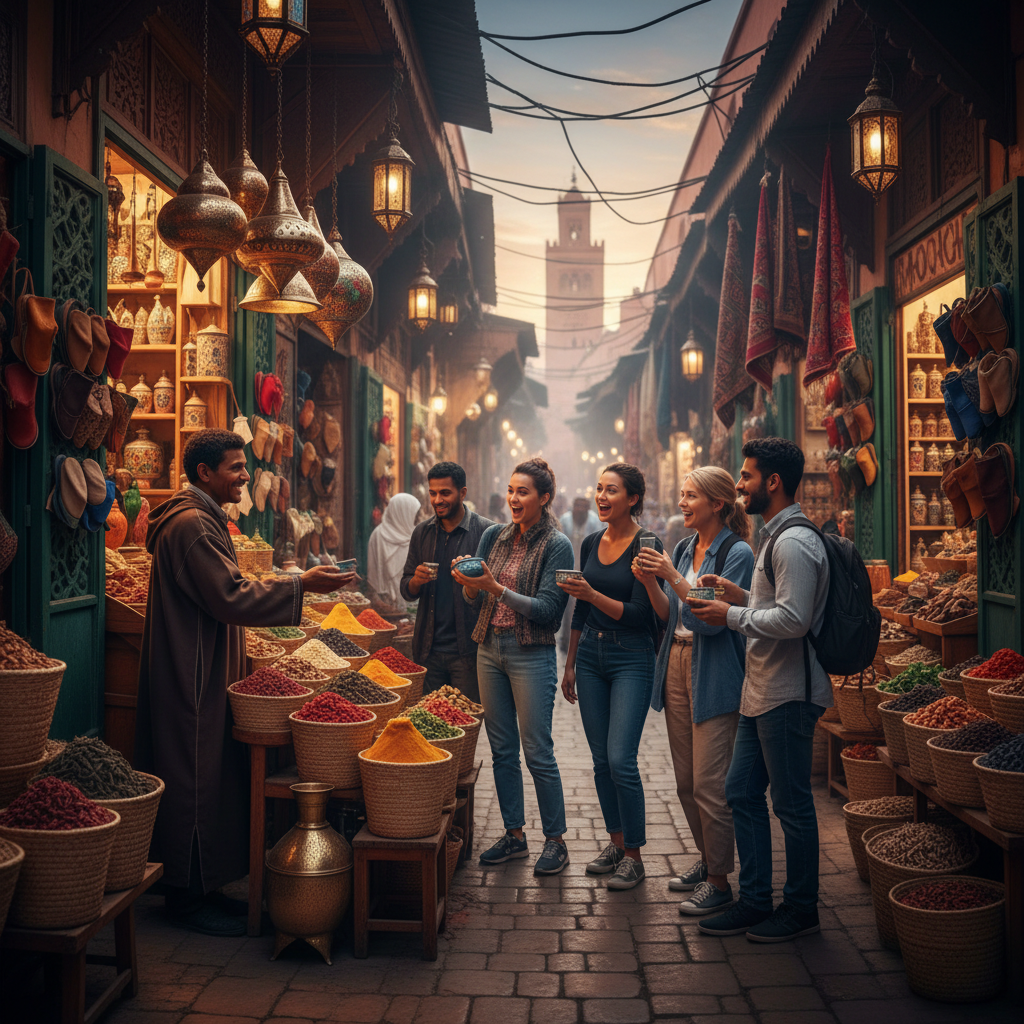
Pickpocketing in crowded medinas
Bag snatching in busy squares
Overcharging tourists
Unofficial guides asking for money
These incidents are non-violent and can usually be avoided with awareness.
Safety Tips to Avoid Problems
Use a zipped cross-body bag
Avoid showing valuables
Agree on prices before services
Politely decline unsolicited help
Use licensed guides and taxis
Violent Crime
Violent crime against tourists is very rare. Morocco has a strong cultural emphasis on hospitality, and tourists are generally respected.
3. Is Morocco Safe for Solo Travelers?
Yes, Morocco is safe for solo travelers, including first-time visitors.
Many solo travelers visit Morocco every year, especially:
Backpackers
Digital nomads
Adventure travelers
Cultural explorers
Solo Travel Tips
Stay in well-reviewed riads or hotels
Avoid walking alone late at night in unfamiliar areas
Use organized tours for desert trips
Share your itinerary with someone
Group tours and private guided trips are especially popular for solo visitors and offer extra peace of mind.
4. Is Morocco Safe for Women Travelers?
Morocco is safe for women travelers, but cultural differences matter.
Women may experience:
Staring
Comments in tourist areas
Persistent vendors
This behavior is usually verbal and non-threatening, but it can feel uncomfortable.
Tips for Women Traveling in Morocco
Dress modestly (covered shoulders & knees)
Ignore unwanted attention
Walk confidently
Avoid isolated streets at night
Consider guided tours or trusted drivers
Thousands of women travel to Morocco every year without serious issues, especially when respecting local customs.
5. Health & Medical Safety in Morocco
Healthcare Quality
-
Good private clinics in major cities
-
English- and French-speaking doctors available
-
Emergency care is accessible in urban areas
Health Tips
-
Drink bottled water
-
Eat at busy restaurants
-
Carry basic medication
-
Use sunscreen and stay hydrated
Travel insurance is strongly recommended, especially for desert tours and mountain regions.
6. Transportation Safety
Transportation in Morocco is generally safe when using official services.
Safe Options
ONCF trains (very reliable)
Licensed petit & grand taxis
Private drivers
Organized tour transport
Avoid
Unlicensed taxis
Driving long distances at night in rural areas
For desert trips (Merzouga, Zagora), always go with experienced tour operators.
7. Safest Places to Visit in Morocco (2026)
Very Safe & Tourist-Friendly
Chefchaouen
Essaouira
Agadir
Rabat
Merzouga Desert
Popular but Requires Awareness
Marrakech medina
Fes medina
Casablanca downtown
Areas to Avoid
Remote border zones
Isolated desert travel without guides
8. Cultural Awareness = Better Safety
Understanding Moroccan culture improves both safety and experience.
Key points:
Morocco is a Muslim country
Modest dress is appreciated
Public displays of affection are discouraged
Respect religious sites
Tourists who respect local customs often report extremely positive interactions with locals.
9. Why Millions Still Visit Morocco Every Year
Morocco continues to break tourism records because it offers:
Unique culture
Rich history
Stunning landscapes
Affordable travel
Strong hospitality
The high number of repeat visitors is one of the strongest indicators of safety.
Final Verdict: Is Morocco Safe for Tourists in 2026?
Yes — Morocco is safe to visit in 2026.
For the vast majority of travelers, Morocco offers a safe, welcoming, and unforgettable experience. With basic awareness, cultural respect, and smart planning, visitors can explore the country confidently.
Morocco Safety Score (2026)
⭐⭐⭐⭐⭐ (5 / 5)
FAQ Hub
Yes, Morocco is generally safe for tourists in 2026. Most visits are trouble-free when travelers follow basic safety precautions.
Morocco is safe for solo travelers, especially when staying in tourist areas and using licensed guides or tours.
Yes, Morocco is safe for women travelers, though dressing modestly and respecting local customs is recommended.
The main risks are petty theft, scams, and overcharging, not violent crime.
Reserve Your Spot
- 3 Days Desert Tour from Marrakech to Fes via
- 3 Days Tour from Marrakech to Merzouga Desert
- 4 Days Marrakech to Fes Desert Tour
- 4 Days Desert Tour From Marrakech To Merzouga
- 5 Days Desert Tour from Marrakech to Fes